
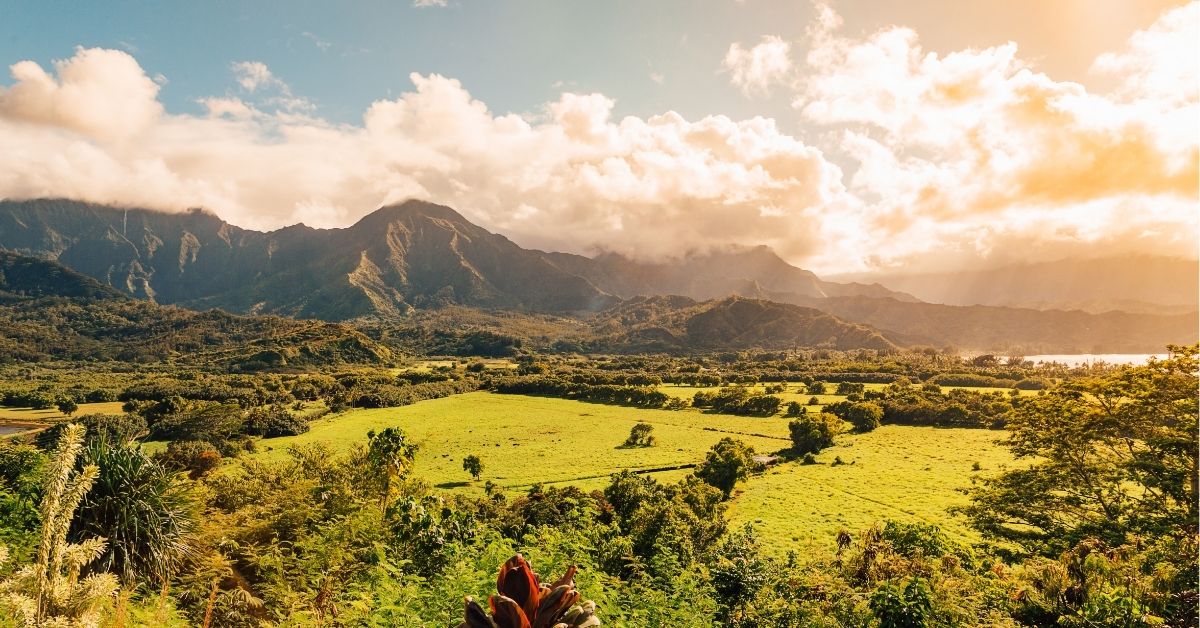
Why the Colombian Coffee Region Feels So Special from the First Moment
For travelers from the U.S. and Europe accustomed to hyper-commercialized destinations, stepping into the Colombian Coffee Region (El Eje Cafetero) feels like turning back the clock to a more intentional, vibrant way of living. It is a place where emerald-green mountains meet colonial towns frozen in time, all wrapped in a genuine hospitality that cannot be manufactured.
This isn’t just a stop on an itinerary; it is a sensory immersion. The mist rising over the valleys, the smell of freshly brewed specialty coffee at dawn, and the kaleidoscope of hand-painted wooden balconies combine to create an immediate sense of wonder. Some destinations are nice to visit, but the Coffee Region is one of those rare places that permanently alters your travel standards.
What Makes the Coffee Region a Must-Visit Destination
A UNESCO-Recognized Landscape Unlike Anywhere Else
In 2011, UNESCO declared this area a World Heritage Site under the name of the Coffee Cultural Landscape of Colombia. This designation wasn’t just awarded for its natural beauty, but for the harmonious relationship between human effort, traditional architecture, and a unique mountainous ecosystem that has preserved coffee cultivation for over a century.
The Scenery is Unforgettable
The geography here defies imagination. You will find yourself driving along dramatic mountain ridges, looking down into deep valleys where the clouds float below the peaks. It is home to the majestic Quindío wax palms—the tallest monocots in the world—which pierce the mist like something out of a surrealist painting.
It Blends Nature, Culture, and Slow Travel Beautifully
The Eje Cafetero is the capital of Slow Travel. It invites you to unpack your bags, slow down your pace, and engage with the environment. It is a destination where the journey between two points—navigating scenic rural roads, stopping at roadside lookouts, and breathing in the clean Andean air—is just as rewarding as the attraction itself.
Why U.S. and European Travelers Connect So Strongly with This Region
The Travel Antidote: Mass Tourism vs. The Coffee Region Experience
Travel Dimension | The Mass Tourism Issue(The Overwhelm) | The Coffee Region Antidote(The Slow Travel Reality) | The Impact on Your Journey |
Pace & Rhythm | ⏱️ Rushed Itineraries: Checking off crowded sights from a rigid list, constantly on the move. | 🌿 Intentional Slow Travel: Unpacking your bags once, savoring mornings, and traveling at a human scale. | You return home feeling genuinely restored and inspired, not exhausted from your vacation. |
Environment | 🏨 Overbuilt Resorts: Generic concrete complexes that look the same anywhere in the world. | 🏡 Authentic Heritage: Centuries-old coffee haciendas, eco-lodges, and preserved colonial architecture. | You immerse yourself in true Colombian history and sustainable, nature-first lodging. |
Local Culture | 👥 Heavy Crowds: Artificial, hyper-commercialized zones designed strictly for mass consumption. | ☕ Soulful Connections: Vibrant, working towns where you engage directly with artisans and farmers. | Every interaction feels meaningful, unmanufactured, and deeply grounded in local tradition. |
The Places That Make the Coffee Region Impossible to Forget
To help you visualize your journey, here is a breakdown of the region’s crown jewels and how they compare:
Destination | Core Vibe & Atmosphere | Iconic Visual Highlight | Best Suited For |
Salento | Vibrant, bohemian, and culturally rich. | Bright, multi-colored doors and traditional Bahareque architecture. | Artisanal shopping, lively cafes, and cultural immersion. |
Cocora Valley | Majestic, surreal, and deeply green. | Towering Quindío Wax Palms rising up to 60 meters into the mist. | Hiking, horseback riding, and world-class landscape photography. |
Filandia | Laid-back, elegant, and deeply authentic. | The Colina Iluminada viewpoint and pristine, quiet colonial streets. | Architectural enthusiasts, slow strolls, and gourmet local dining. |
Coffee Haciendas | Educational, serene, and immersive. | Rolling hills of coffee crops as far as the eye can see. | Bean-to-cup tasting tours, premium relaxation, and nature walks. |
Why Exploring the Region with Local Transportation and Tours Makes the Experience Better
While the Coffee Region looks compact on a map, its Andean topography introduces unique logistical challenges. The roads connecting major towns like Salento and Filandia with deep-countryside coffee farms are winding, steep, and often unpaved mountain routes. Navigating these terrains in a standard rental car can be stressful for foreign travelers unfamiliar with local driving customs, unpredictable mountain weather, and shifting road conditions.
To truly experience slow travel, you must eliminate logistical anxiety. Booking private, dedicated transport and curated tours allows you to look out the window at the breathtaking scenery instead of stressing over GPS coordinates on a cliffside road. A local driver knows exactly how to navigate the terrain safely, understands the regional microclimates, and ensures you arrive at your destination refreshed and on time.
Who Should Put the Coffee Region at the Top of Their Colombia Itinerary?
- First-Time Visitors to Colombia: It provides a safe, welcoming, and incredibly scenic introduction to the country’s diverse geography.
- Nature and Wildlife Lovers: Ideal for those wanting to explore cloud forests, hike national parks, and view exotic birds.
- Coffee Connoisseurs: Anyone who wants to experience the birthplace of the world’s smoothest Arabica coffee.
- Culture and Heritage Enthusiasts: Travelers who appreciate architecture, colonial history, and vibrant local traditions.
Practical Tips for Foreign Travelers Visiting the Coffee Region
- Embrace a Slower Pace: Do not try to rush through Salento, Filandia, and Cocora in a single day. Give each place the time it deserves to be enjoyed without stress.
- Dress in Layers: The weather in the Andes changes rapidly. You can experience warm sunshine at noon and a cool, misty downpour by 3:00 PM. Always pack a light rain jacket.
- Wear Sturdy Footwear: Colonial cobblestones and valley hiking trails demand comfortable, slip-resistant shoes or hiking boots.
- Book Transport Early: Secure your private vehicles and bilingual guides ahead of your arrival, especially during peak travel seasons, to guarantee seamless transitions between airports and hotels.
Why the Coffee Region Deserves More International Attention
For decades, international tourists focused solely on Colombia’s coastal cities or major urban centers. However, the Eje Cafetero represents the true soul of the country. It is a destination that balances eco-tourism with cultural preservation perfectly. By placing this region at the center of your itinerary, you are choosing a sustainable travel model that directly supports local farmers, artisans, and heritage preservation.
Why Book with Transporte y Turismo del Eje
Exploring this paradise should be characterized by relaxation, not logistical navigation. At Transporte y Turismo del Eje, we specialize in bridge-building between international travelers and the authentic heart of Colombia’s coffee country.
- Tailored Private Transportation: Move between Pereira, Armenia, Manizales, and the colonial towns in modern, comfortable vehicles driven by local experts.
- Curated Regional Tours: We design personalized day trips to Salento, Cocora Valley, Filandia, and premium coffee farms, customized to your specific travel style and pace.
- Stress-Free Coordination: From airport pickups to deep-countryside transfers, we handle the logistics so you can focus entirely on making memories.
Frequently Asked Questions (FAQs)
Is Colombia’s Coffee Region worth visiting for foreign travelers?
Absolutely. It offers a unique combination of a UNESCO World Heritage landscape, unparalleled safety, rich colonial culture, and outdoor adventures that contrast beautifully with Colombia’s major cities.
How many days should I spend in the Coffee Region?
We recommend a minimum of 3 to 4 days to fully explore the main towns (Salento and Filandia), hike the Cocora Valley, and participate in an immersive coffee farm experience without rushing.
What are the best places to visit in the Eje Cafetero?
The must-visit highlights include the colorful town of Salento, the towering wax palms of the Cocora Valley, the pristine architecture of Filandia, and a traditional working coffee hacienda.
Is the Coffee Region a good destination for first-time visitors to Colombia?
Yes. The region is widely recognized as one of the safest, most peaceful, and tourist-friendly areas in Colombia, making it perfect for international travelers arriving in the country for the first time.
What is the easiest way to explore the Coffee Region?
The most efficient and stress-free way is by booking private door-to-door transportation and local tours. This eliminates the stress of driving on steep mountain roads and guarantees you see the best hidden gems with local experts.
Ready to Experience the Heart of Colombia?
Don’t let mountain logistics complicate your dream vacation. Let us handle the roads while you enjoy the journey.
- [Private Transportation Services]: Safe, reliable, and comfortable private transfers across the entire Coffee Region.
- [Custom Tours & Experiences]: Discover Salento, Cocora Valley, and hidden coffee paradises with the region’s premier local operator.